Athletic breast shape is one of the most misnamed shapes in the standard breast shape guides. You do not have to be an athlete to have it, and having it does not mean anything about your fitness level. The name simply describes a breast profile that is wider than it is projected, with a flatter appearance and less soft tissue volume than rounder shapes.
If you have athletic breasts and have struggled with bras that gap at the top, poke at the sides, or feel like they were made for a completely different body, you are not imagining it. Most bra cups are designed with fuller, rounder shapes in mind. This guide explains what athletic breast shape actually is, how to identify it, and which bra styles are genuinely designed to work with it.
You can also see how athletic shape fits alongside every other breast type in the full guide to breast shapes and sizes.
What Is Athletic Breast Shape?
Athletic breasts are wider than they are deep. The breast base spans a relatively broad area across the chest wall, but the tissue does not project far forward from it. There is less fatty tissue overall, which gives athletic breasts a flatter, firmer appearance compared to rounder or fuller shapes.
The pectoral muscles beneath the breast tissue tend to be more developed in people with this shape, which contributes to the firmer, more toned-looking chest. However, athletic shape is not only found in people who train regularly. It can be entirely genetic, determined by the ratio of glandular to fatty tissue and the width of the breast base, regardless of exercise habits.
Athletic breasts most commonly appear in smaller cup sizes, typically A through C, but the shape is not exclusive to those sizes. The key characteristic is the wide base with limited forward projection, not the size itself.
How to Tell If You Have Athletic Breasts
Stand without a bra in front of a mirror, shoulders back, arms relaxed.
You likely have athletic breast shape if:
- Your breasts appear wider than they are projected forward from the chest
- The chest looks relatively flat or firm rather than soft and rounded
- There is less fullness in the upper portion of the breast
- The nipples tend to face forward or slightly upward
- Standard bra cups gap at the top even when the band fits correctly
- Underwire bras frequently poke at the outer sides or underarm area
- You often feel like bra cups are too deep for the actual projection of your breast tissue
The cup gaping issue is the clearest everyday signal. When a molded cup is deeper than your breast’s forward projection, the top of the cup simply has no tissue behind it and lifts away. This is a shape mismatch, not a sizing error.
If your breasts tend to point outward toward your arms rather than sitting centered, see our guide for more details about the east-west breast shape.
Common Bra Fit Problems with Athletic Breasts
Cup gaping at the top. The upper portion of many standard bra cups extends beyond where athletic breast tissue actually sits. With less upper-pole volume and limited forward projection, the cup top lifts away and creates visible gaping under clothing.
Underwire poking at the sides. Athletic breasts have a wide root, meaning the base of the breast extends further toward the underarm than in narrower shapes. Standard underwires are curved for a narrower breast base and can sit on top of the outer breast tissue rather than under it, causing persistent poking and discomfort at the sides.
Cups feel too deep or structured. Heavily molded, pre-shaped cups that project well forward from the body can feel like wearing an empty shell for athletic shapes. The cup holds a shape the breast does not fill, which creates both a cosmetic and comfort problem.
Difficulty finding shape or definition. Because athletic breasts sit flatter against the chest, many people with this shape want a bra that adds some roundness or projection without being uncomfortable or obviously padded.
For more details about shapes that feature a fuller bottom with a thinner, more elongated top, refer to our article on the relaxed breast shape.
What Types of Bras Work Best for Athletic Breasts?
The core goals for athletic breast bras are shallow cup depth that matches the breast’s actual projection, support that lifts from the base rather than shaping from the top, and comfortable wire geometry that accounts for a wider breast root.
Bralettes
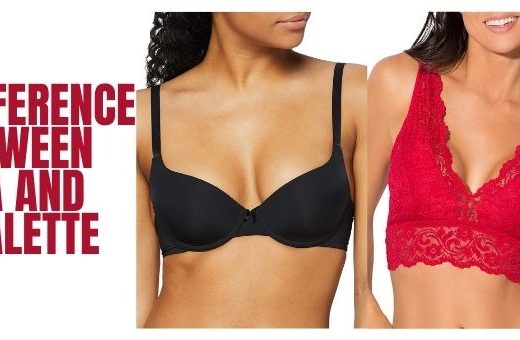
Bralettes are one of the best everyday options for athletic breast shape. They are made from soft, flexible fabric with no rigid cup structure that could gap or poke. A good bralette with a supportive band sits comfortably against flatter, wider breast tissue without creating the empty-cup problem that molded styles produce.
Triangle bralettes and wired bralettes with stretch lace are particularly well-suited. They follow the breast’s actual contour rather than imposing a pre-formed shape onto it. For smaller athletic busts, bralettes provide all the support needed for daily wear.
Push-Up Bras
Push-up bras are highly effective for athletic breast shape when chosen correctly. The angled padding at the base of the cup lifts tissue upward and forward, filling out the upper cup area that would otherwise gap. The result is a rounder, more projected silhouette without any of the empty-cup problem.
Look for push-up bras with graduated padding that is thicker at the base and thinner or absent at the top. This construction lifts from below rather than adding bulk everywhere, which suits the flatter athletic profile. Styles described as “demi push-up” often work particularly well because they combine a shallower cup height with lift-from-base padding.
Demi and Balconette Bras
Demi bras and balconette bras have a shorter cup height than full-coverage styles, which means the cup top sits lower on the breast. For athletic shapes with limited upper-pole volume, this is directly useful: the cup ends where the tissue ends rather than reaching up into empty space.
A balconette bra lifts and separates from the base, which suits athletic shape well. The horizontal cut across the top of the cup frames the breast at its fullest point rather than trying to contain volume above it. This produces a clean, defined silhouette that works well under fitted tops and necklines.
If you notice a significant difference in volume between each side while trying these styles, check our resource for more details about asymmetric breasts.
Wireless Bras with Molded Cups
Wireless bras with lightly molded cups provide shape without the underwire poking issue that affects athletic shapes with wide breast roots. The molded cup adds a gentle rounded contour while the absence of an underwire means there is no rigid frame to press against wide-rooted breast tissue.
Look for wireless styles with firm bands and lightly structured cups rather than fully soft unlined styles, which may not provide enough definition for everyday wear.
Plunge Bras
Plunge bras with a low center front are a practical option for athletic shapes under V-necks and lower necklines. The shallower cup construction of most plunge styles suits the limited forward projection of athletic breasts, and the angled cups direct tissue forward and inward rather than upward into empty cup space.
Padded plunge styles add projection and roundness, which is useful if you want a fuller appearance under clothing.
Sports Bras for Athletic Breasts
Athletic breasts tend to be firmer and lower in volume than other shapes, which means they move less during exercise than heavier breast tissue. Compression sports bras work well for most impact levels because the tissue is already relatively firm and compact against the chest wall.
For lower-impact activities, a light-compression bralette-style sports bra is comfortable and adequate. For medium to high-impact activities, a compression sports bra with a firm band is the right level of support. Because athletic breasts do not carry as much weight as larger shapes, heavy encapsulation sports bras with stiff cups are usually unnecessary and can feel rigid and uncomfortable.
The one area to watch is underwire in sports bras. If the sports bra has an underwire, the same poking problem that affects everyday bras can appear during movement, particularly when the wire shifts during exercise. Wireless sports bras eliminate this issue entirely for athletic shapes.
Bras to Avoid
Tall full-coverage bras with deep, pre-shaped molded cups are the most common source of frustration for athletic shapes. The cup’s forward projection far exceeds the breast’s natural projection, leaving obvious gaping at the top and an empty, unnatural appearance.
Standard full-coverage T-shirt bras with high cups often gap at the top for the same reason. If the cup height extends above where the breast tissue ends, nothing can prevent the gap.
Bras with narrow underwires sit on the outer breast tissue in athletic shapes with wide roots, causing the persistent side-poking problem. If you want to wear underwire, look for styles with wider wire geometry or choose brands specifically noted for wider underwires.
To better understand how specific categories differ from one another, check our core resource for more details about common bra types.
Athletic Breasts and Clothing Fit
Athletic breast shape is one of the most versatile for clothing because the flatter, forward-facing profile sits cleanly under almost any style.
Fitted tops and T-shirts lie flat without pulling or bunching. With the right bra, the silhouette is smooth and defined.
V-necks and plunge necklines suit athletic shapes particularly well. A padded plunge bra creates a rounded, projected silhouette that fills these necklines cleanly.
Structured tops, blazers, and tailored shirts with bust darts work naturally with athletic shape because the wider base fills the garment’s horizontal structure without excessive forward projection pulling the fabric.
Halter tops and bralette-style necklines are a natural match for athletic shape, and this is one of the shapes where going braless or wearing a bralette under such styles is most comfortable and visually seamless.
Tops with underbust seaming are worth seeking out. The seam beneath the bust draws attention to the chest and creates the impression of more projection and definition without relying on the bra to do all the work.
FAQ
Do you have to be athletic to have athletic breast shape?
No. The name comes from the fact that people with more muscular builds and lower body fat percentages tend to have less fatty breast tissue, which produces this shape. But it is also determined by genetics, and many people who do not exercise regularly naturally have a wider, flatter breast profile. It is simply a description of the shape, not a requirement.
Why do bra cups always gap at the top with athletic breasts?
Standard molded bra cups are designed with a certain depth of forward projection in mind. Athletic breasts have less projection than the cup assumes, so the upper portion of the cup has no tissue behind it and lifts away. The fix is choosing bras with shallower cups: demi styles, balconette styles, push-up bras with graduated base padding, or bralettes that follow the breast’s actual contour.
Why does underwire always poke at the sides?
Athletic breasts have a wider breast root, meaning the base of the breast extends further toward the underarm than in narrower shapes. Standard underwires are curved for a narrower base and end up sitting on the outer breast tissue rather than under it. Choosing wireless bras, bralettes, or styles with wider underwire geometry solves this.
What is the best bra for athletic breasts under a T-shirt?
A lightly padded demi bra or a push-up bra with a shallow cup and graduated base padding produces the cleanest look under a T-shirt for athletic shapes. The padding fills the upper cup area so there is no visible gaping, and the shallow cup height prevents the empty-cup silhouette that taller styles create.
Can I go braless with athletic breasts?
Yes, more comfortably than most other shapes. Because athletic breasts are firm, have less weight, and sit relatively flat against the chest, going braless is a practical option for daily wear and many clothing styles. This is one of the shapes where braless or bralette-only wear is most manageable across a wide range of activities.