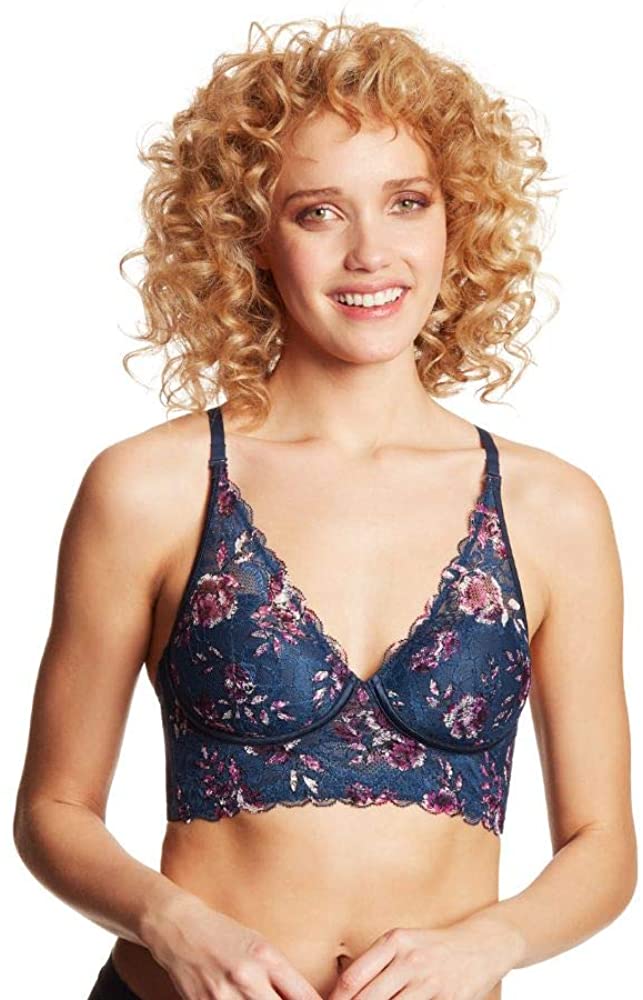
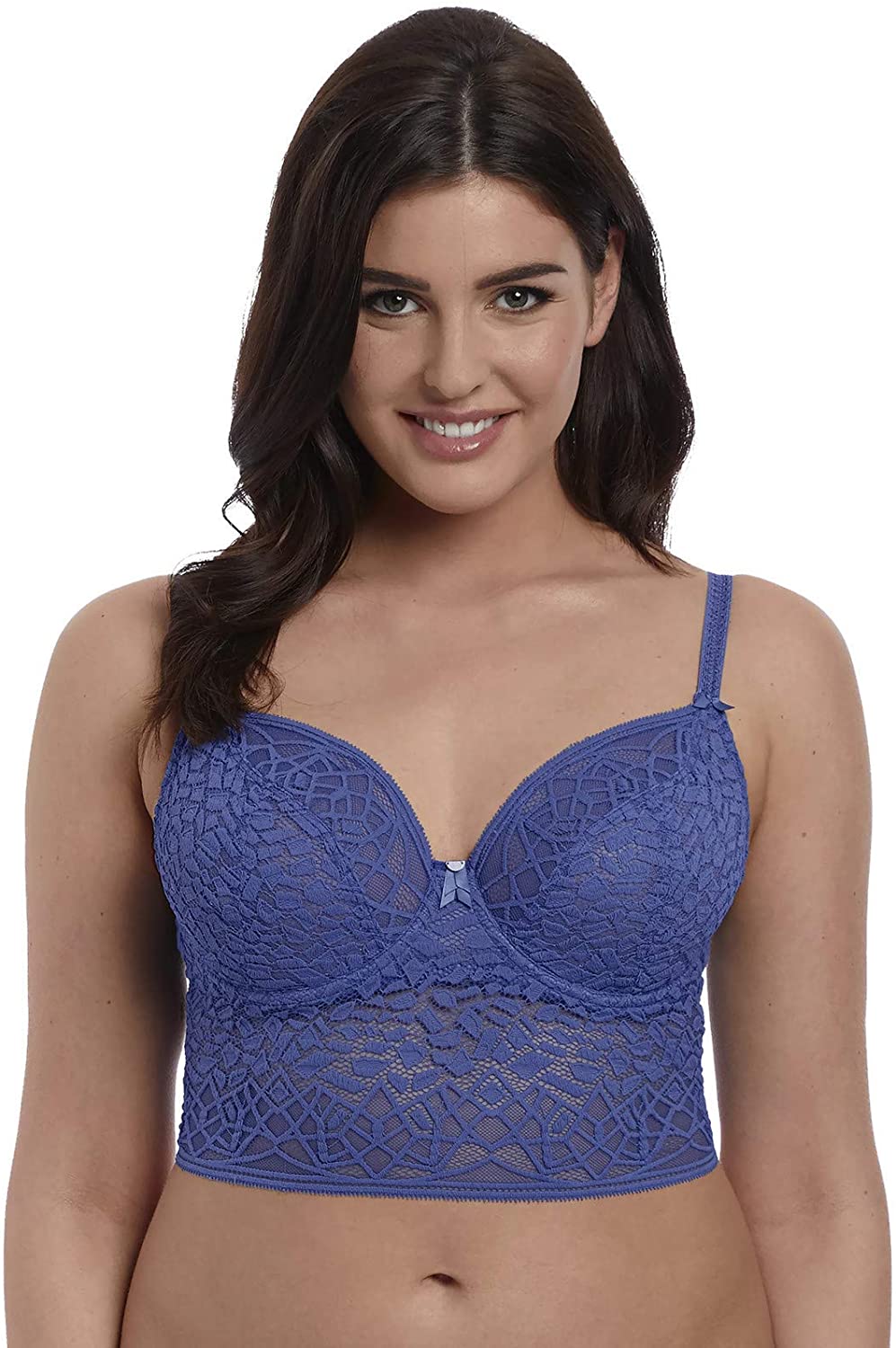
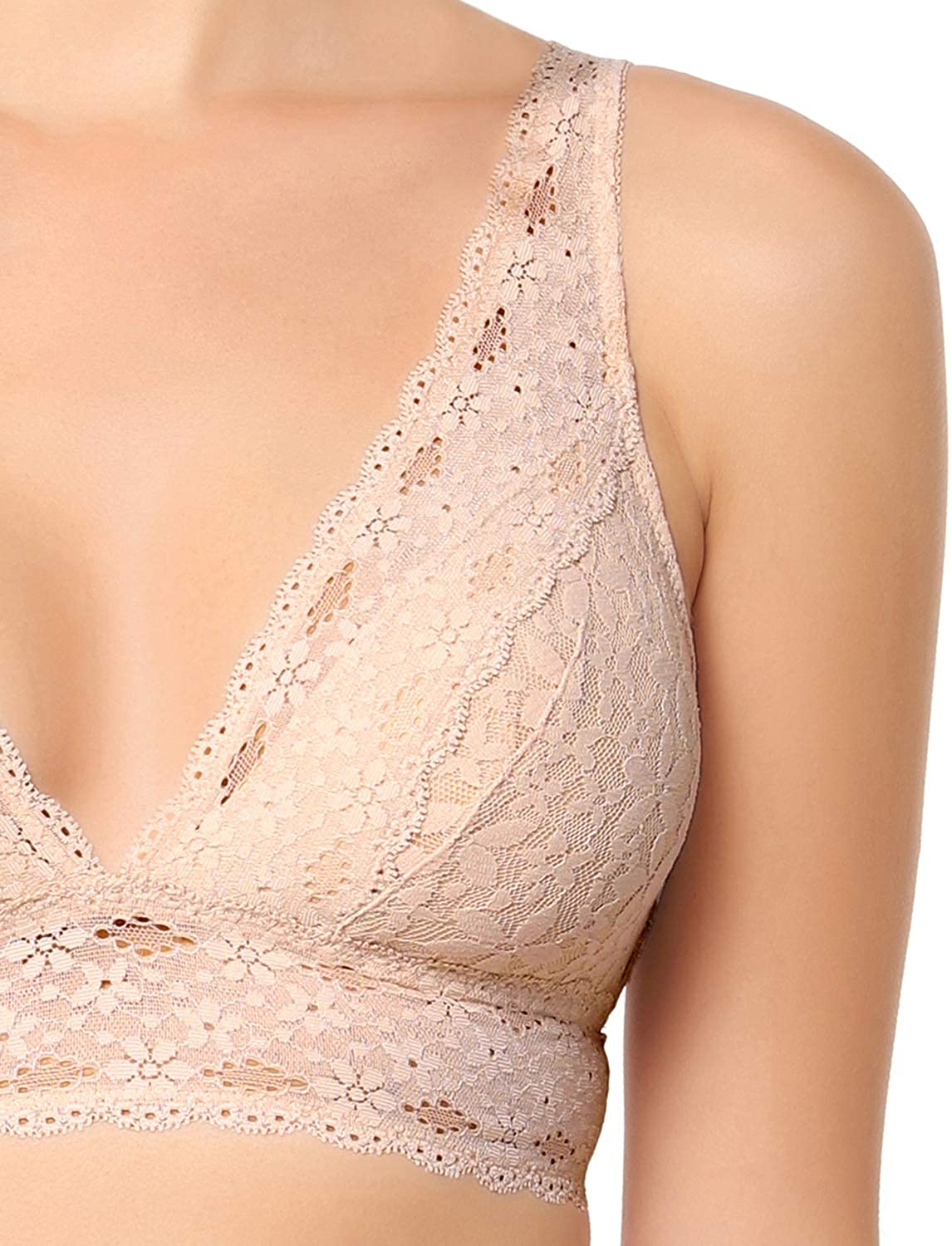
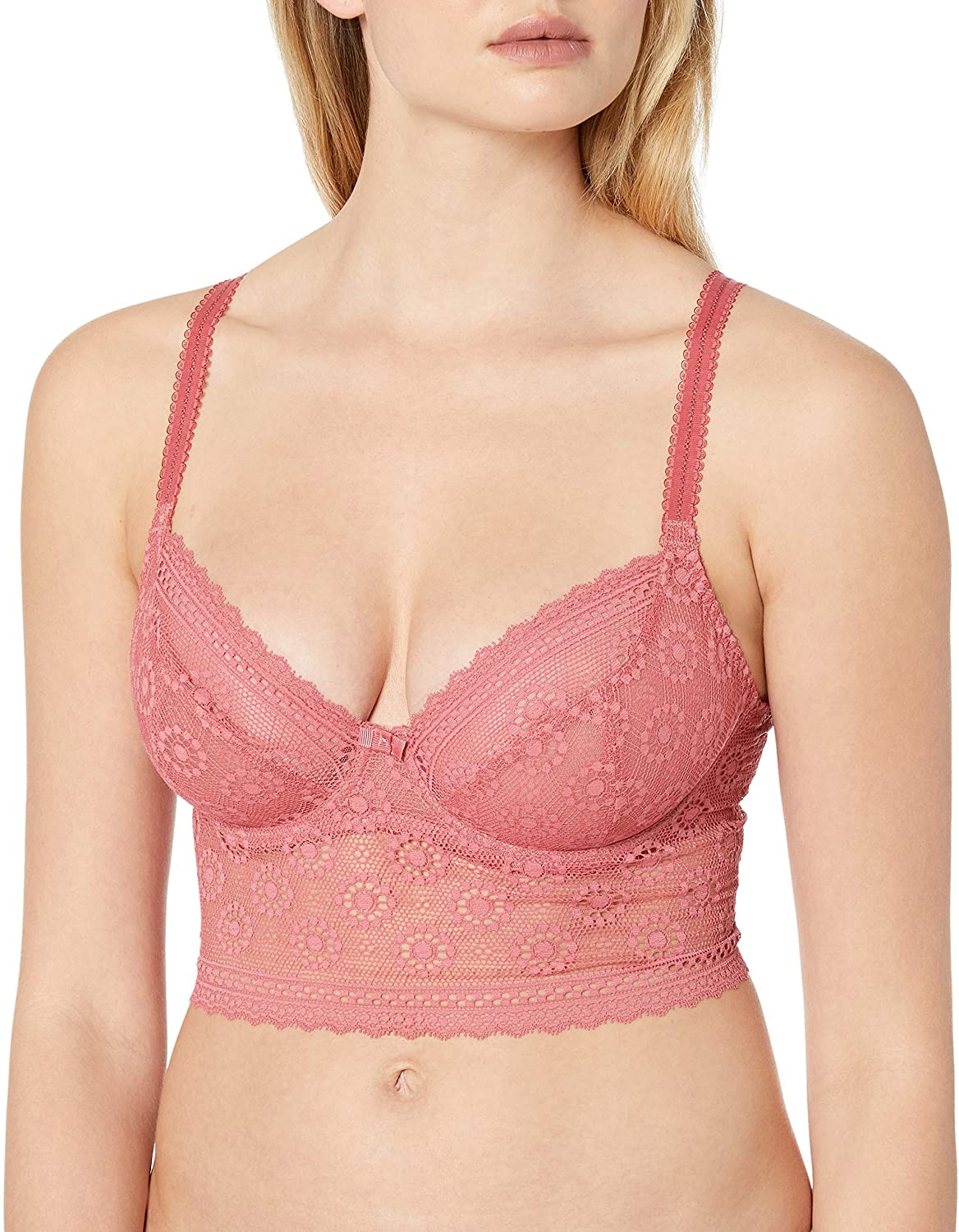
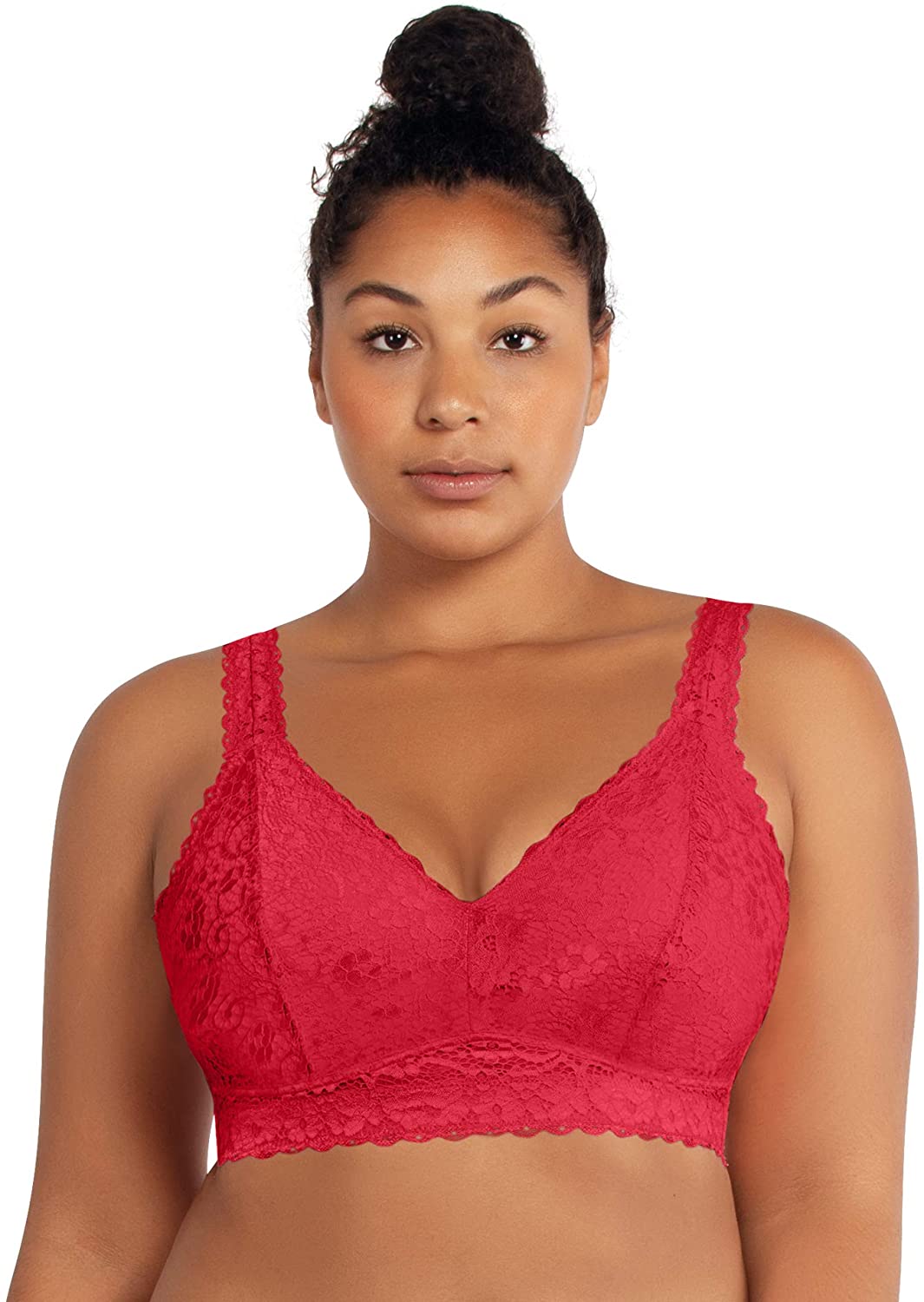
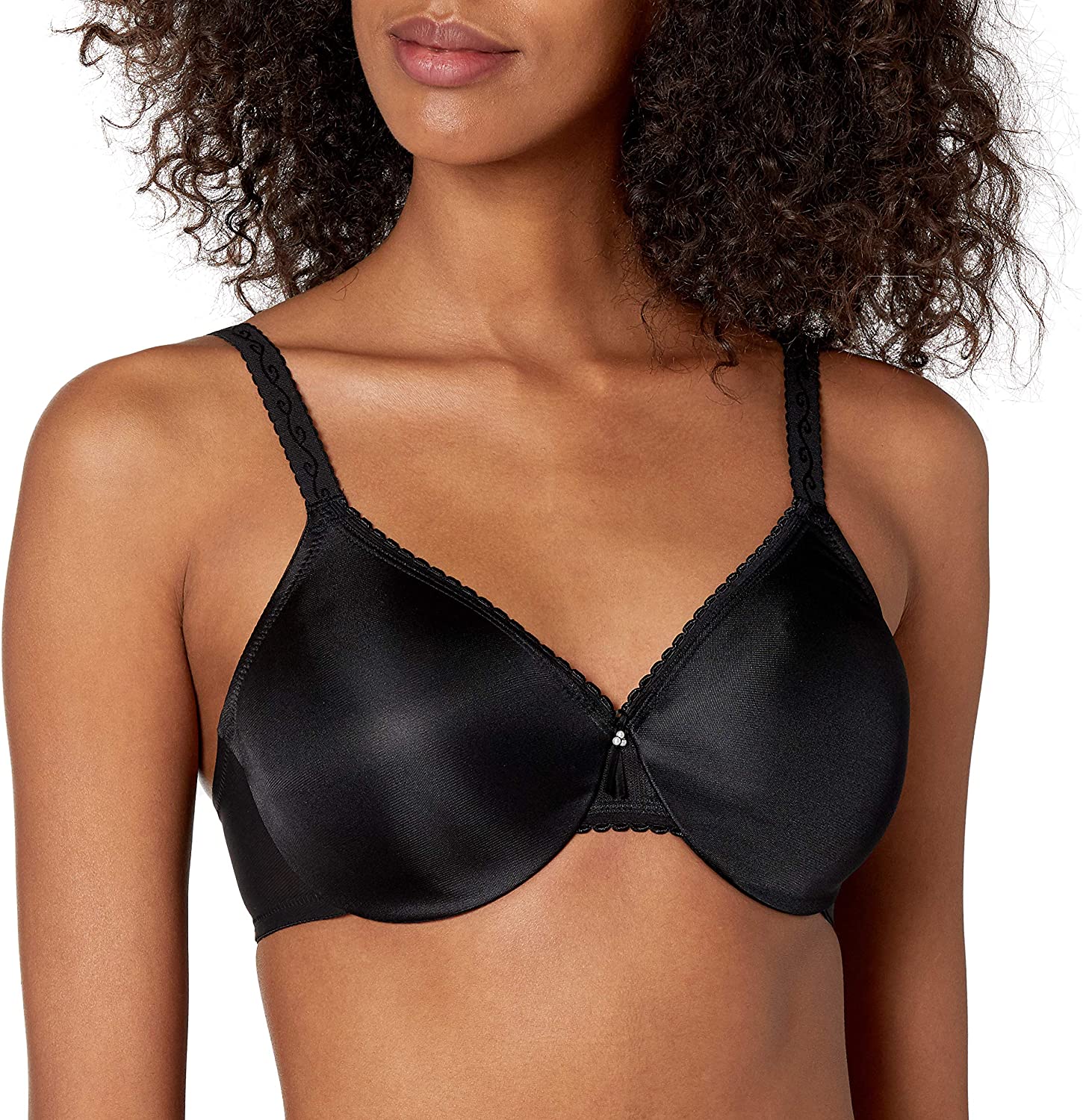
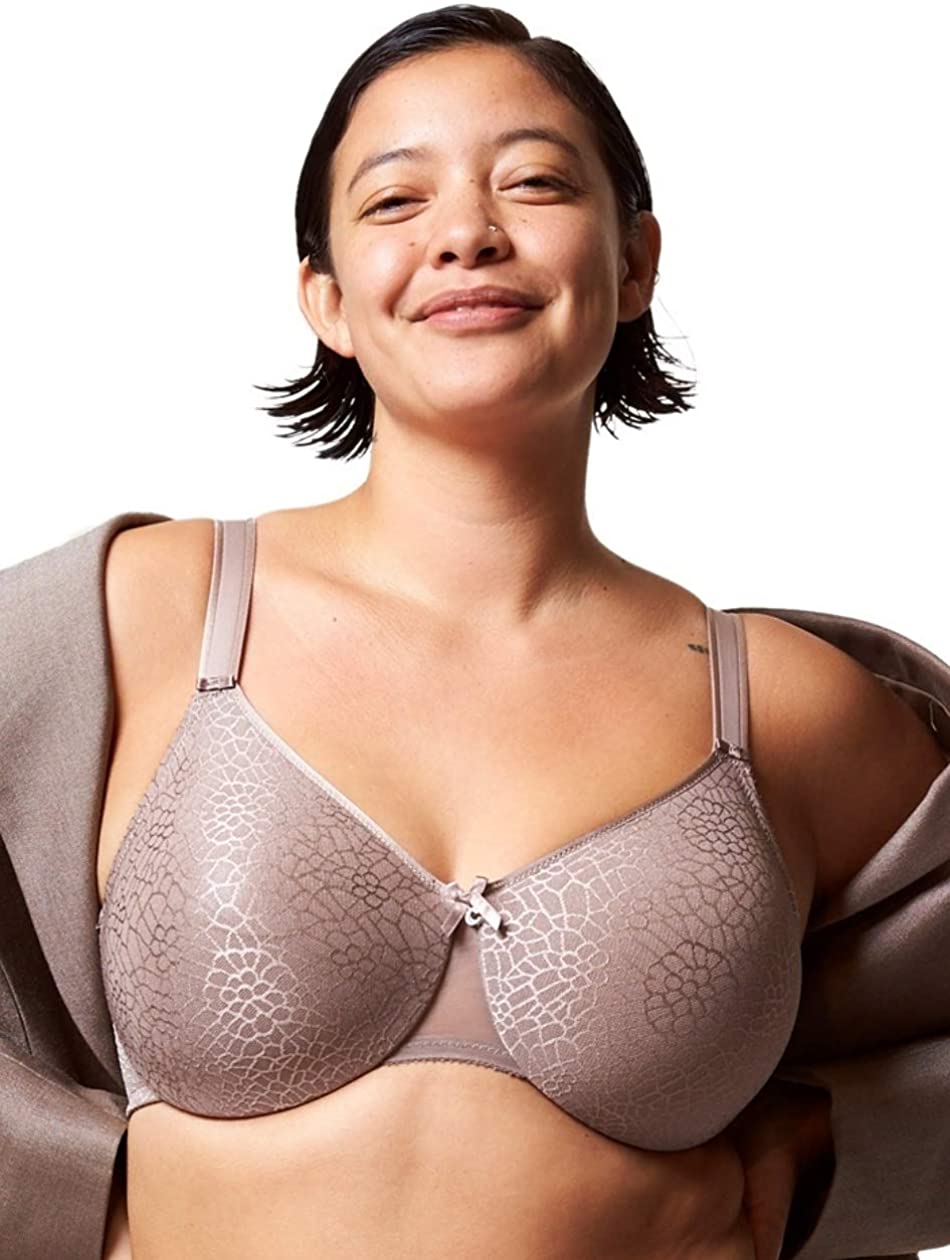
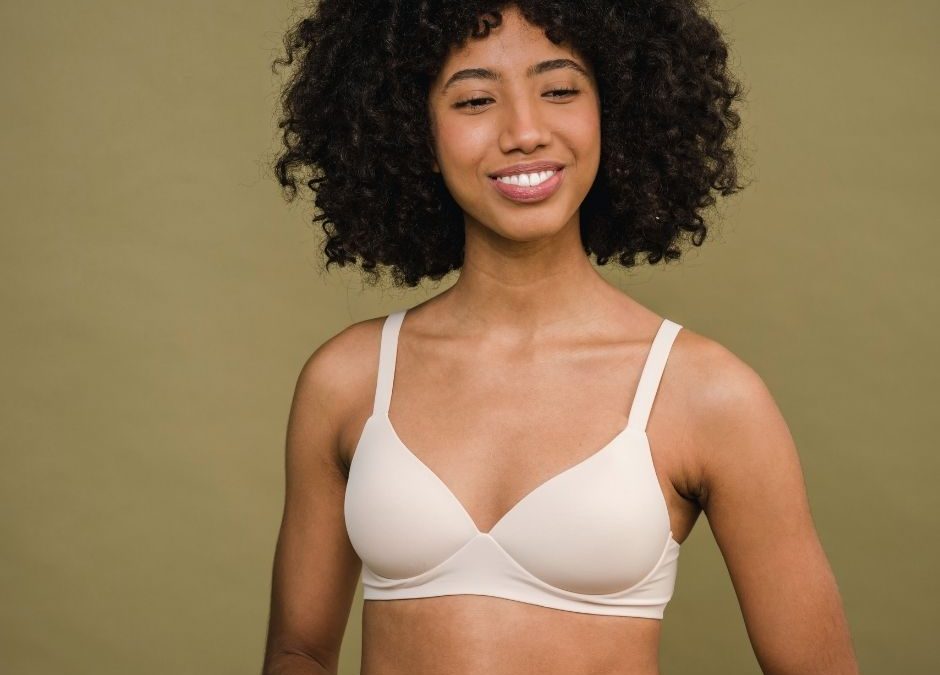
Why is it that women have to wear shirts, but men don’t? Why do women have to cover their breasts or it’s obscene?
Who knows the answer to these questions? It’s been this way since history began, I believe. Since we must, let’s be comfortable but beautiful at the same time!
The 1500s – As far back as the 1500s, in France, women have worn clothing to cover their breasts. Back then, they wore corsets. A corset is a tight-fitting garment worn to support and shape the breasts, hips, and waistline. It made the waist appear smaller.
The early 1900s – As the 1900s came, comfort and support took over. A brassiere (bra for short) is a piece of ladies’ clothing that is made to cover, enhance, and support the breasts. During the century, bras became much more compact.
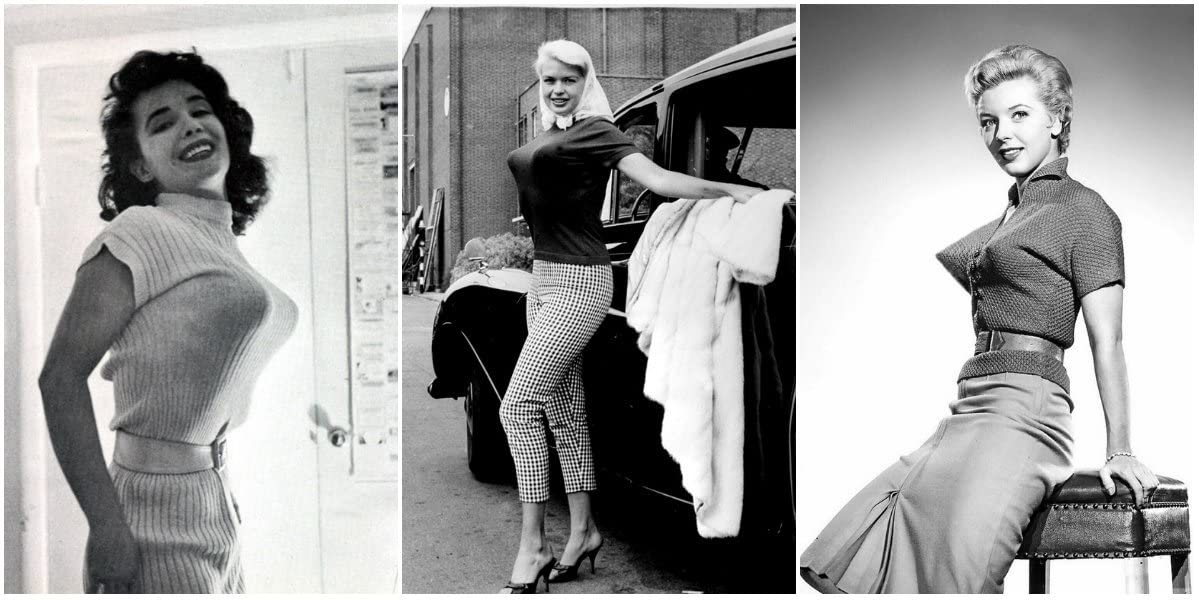
1940s and 1950s – In the 1940s and 1950s, old fashion padded bras were popular. They had the bullet or torpedo; they made the breasts look like pointed cones.
The 1960s – Attitudes changed in the 60s and a lot of women stopped wearing bras altogether. That was, until 1968 when the Wonderbra made its appearance. Women went nuts! They were only made for sizes up to 38D. Others bought extenders to make them fit. No other bra had ever produced cleavage like the Wonderbra.
The 1970s – Colors and patterns started becoming popular in the 70s. Sequin Boob Tubes showed up after the disco craze. Erotic and exotic styles made their debut.
The 1980s – The 80s were influenced by TV shows like Dynasty and Dallas. Erotic lingerie popped up. Breast implants were popular, silicone took over. A lot of women did away with bras and started wearing camisoles, even for outerwear.
The 1990s – Madonna sported the ice cream cone circular stitch cups, but thankfully that style didn’t stick for the 90s. Instead, sexy lace bras with matching thongs or briefs were the thing.
2000’s – Technology showed its face at the turn of the century with the Bioform Bra. It took 20 years off sagging breasts. Also, redistributed breast weight so that ladies who had problems with straps cutting into their skin, just didn’t happen.
Some women were putting inserts called chicken fillets into their bras.
Along came the Ultimo Bra, this bra was being worn by movie stars. It was such a hit that people believed they’d had implants.
Then, in the mid-2000s, came the unbelievable, the Water Bra! Nobody had ever heard of such and couldn’t imagine. Women became obsessed with them. They promoted the promise to enhance breasts, especially for ladies with smaller boobs. These bras did and still do.
What’s a Water Bra?
A water bra is a bra that’s filled with water, specifically in the padding. It helps to enhance the breasts because of a cushion that’s created by the padding mixture of oil and water.
These bras stood out because of what they were made of but became a very trendy, fashion item.
Why should you wear a Water Bra?
Many women miss the opportunity to wear a Water Bra because they are unaware of their usage.
Water Bras can be used at any age. Teenage, middle age, or older ladies can get the advantage of your breasts looking natural.
A bra sometimes increases cup size. Water bras are meant to look more natural than hard, padded bras.
Water Bras enhance cleavage. A bra that doesn’t fit properly can decrease any appearance of cleavage.
Some manufacturers of The Water Bra use body oil and water. It feels so natural against your chest and gives a natural shape.
Water Bras help push up your breasts and bring them in more than an average bra. The enhancement looks a lot more natural than a regular, padded bra.
What’s a Water Bra made of?
As crazy as it sounds, Water Bras are made of water. Oil is added to the water to fill these bras to serve as a cushion. Material is around the filled padding. It’s not noticeable that you are wearing a Water Bra, they’re seamless.
They are generally made of synthetic fabric or cotton. Some are wire-free, while others have an underwire for proper support.
The main difference in a push-up bra and a Water Bra is the padding. A push-up bra has foam, where a Water Bra has oil and water.
Some brands use baby oil in their products. It helps with the overall texture of the pads.
A combo of oil and water is a great choice, keeping the bra rigid and firm. Nothing can break the structure of the cushioning. Less risk of puncture or leak.
While the common fillers are oil and water, some of the newer bras are made of a gel substance. It tends to be thicker than the Water Bras from the early 2000s. These bras perform the same enhancement as bras filled with water.
Can I remove water inserts?
The structure of a Water Bra is different from a regular bra. It might be difficult to remove inserts.
The inserts in The Water Bra enhances, uplifts, and accentuates your breasts. If you remove the inserts, you lose all the benefits of a Water Bra.
Water Bras aren’t as trendy as they were 20 years ago. The New Water Bra Inserts are the perfect way to give a natural lift to your figure now. These new inserts are soft to the touch and lightweight. It makes them a comfortable solution to wear all day. The instant enhancement is remarkable when you insert them into your bra.
Bra inserts are called bra padding or cookies. They are a non-surgical way to increase your breast size. You get the appearance of larger breasts. If you wear them with a push-up bra, it will increase cleavage.
They simply sit in the bottom of the bra cups to fill out the bra and push up your breasts. They come in a variety of shapes and sizes and are filled with liquid or gel. Some bras have pockets built-in for adding the inserts to keep them from slipping.
Make sure to take the inserts with you when choosing a bra, if you intend to wear them with it.
Inserts can be bought at most lingerie stores or online.
What body type benefits the most?
For those with small boobs, Water Bras are great breast enhancers, because they accentuate cleavage. They push the breasts up and towards the center of your chest. If you want to enhance cleavage and need contouring, a Water Bra is a wonderbra because it effectively does both.
Saggy breasts in older women can be a real problem. The Water Bra can be a helpful solution because it focuses on lifting. Water Bra Inserts are perfect to create shape and give a natural lift to your figure. They are lightweight and a comfortable solution for wearing all day. You get instant enhancement when you insert them into your bra.
Women with larger breasts shouldn’t wear Water Bras. It’s not a recommended choice for you. However, if the shape and size fit you and you’re just determined, wear it. Enhancing your breasts just doesn’t seem like a need.
Water Bras are the best version of standard push-up bras. They’ve carved themselves a place in the undergarment world.
Different types of Water Bras
Water Bras come in three types: push-up, plunge, and demi.
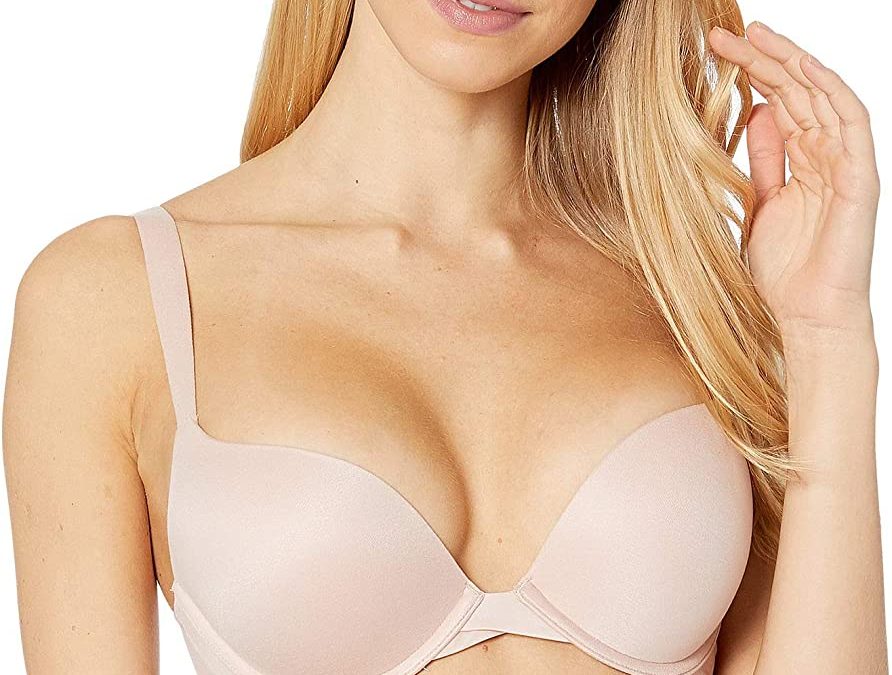
Push-Up Water Bras are the design that most people buy. There’s a sturdy fabric around the oil and water padding. The design is similar to underwire push-up bras. It helps to maintain the overall shape and structure of the bra. Push-Up bras push your breast up for maximum cleavage. They are padded to give the appearance that your breasts are a couple of cup sizes larger than they are. These bras are great if you want to make your breasts look bigger and you want to draw attention to them. Some will have removable inserts and others the padding is built-in. Some contain a gel that molds to your shape and gives the look and feel of real breasts.
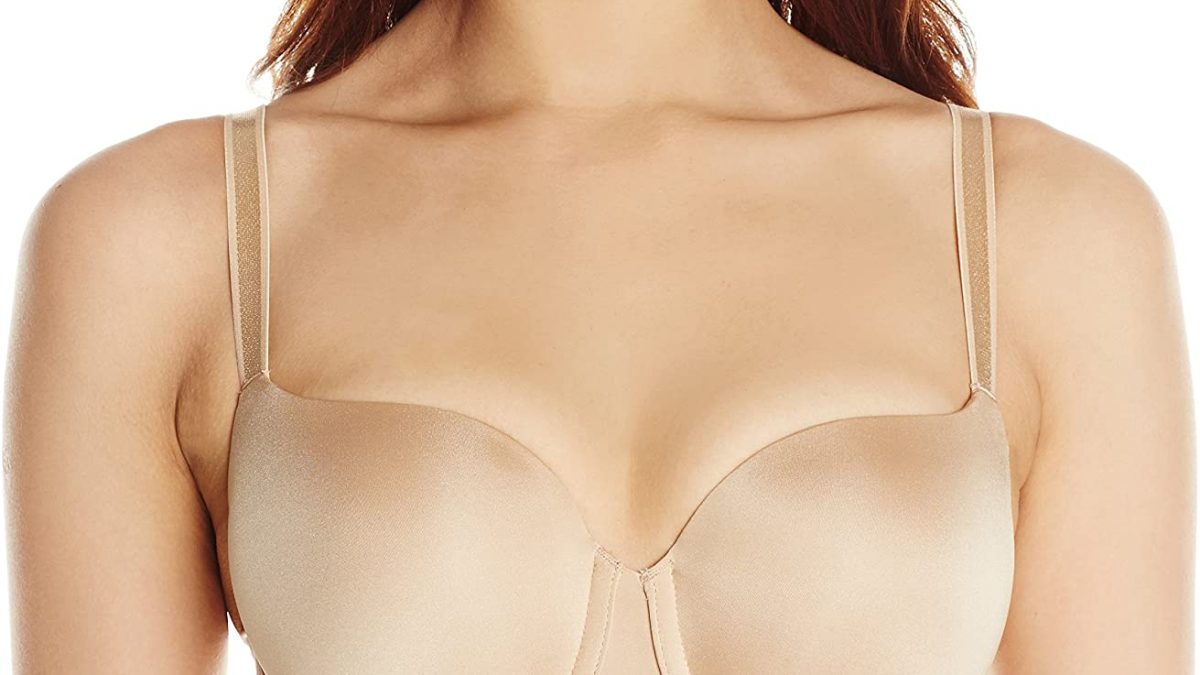
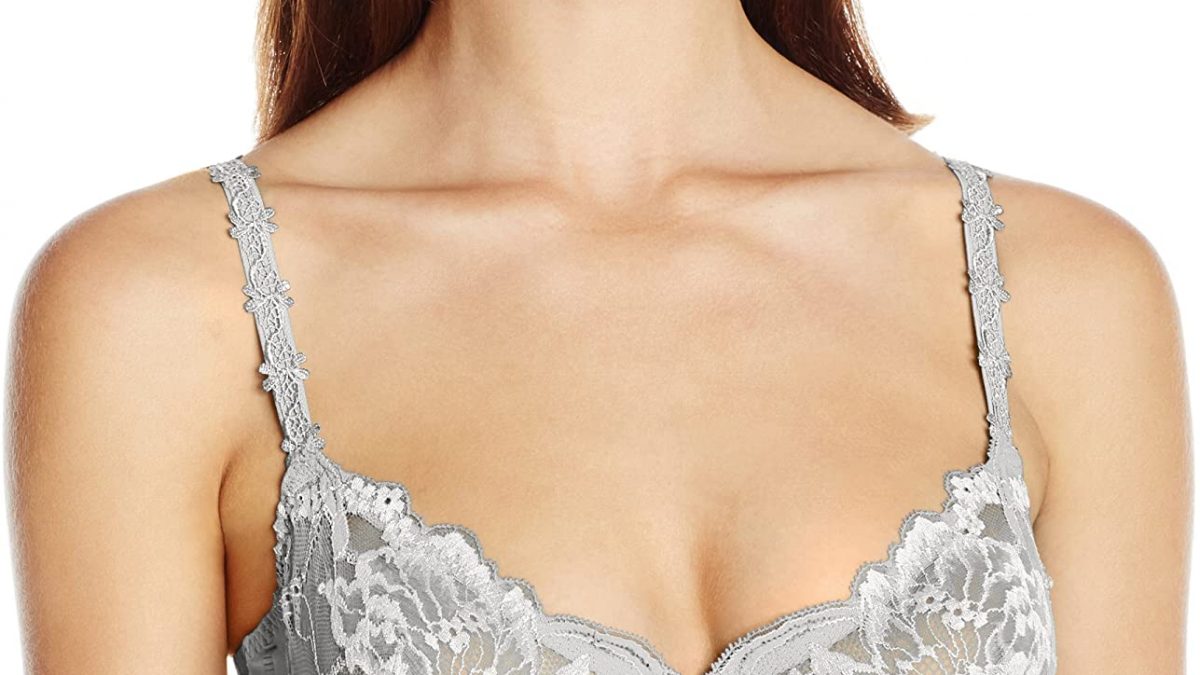
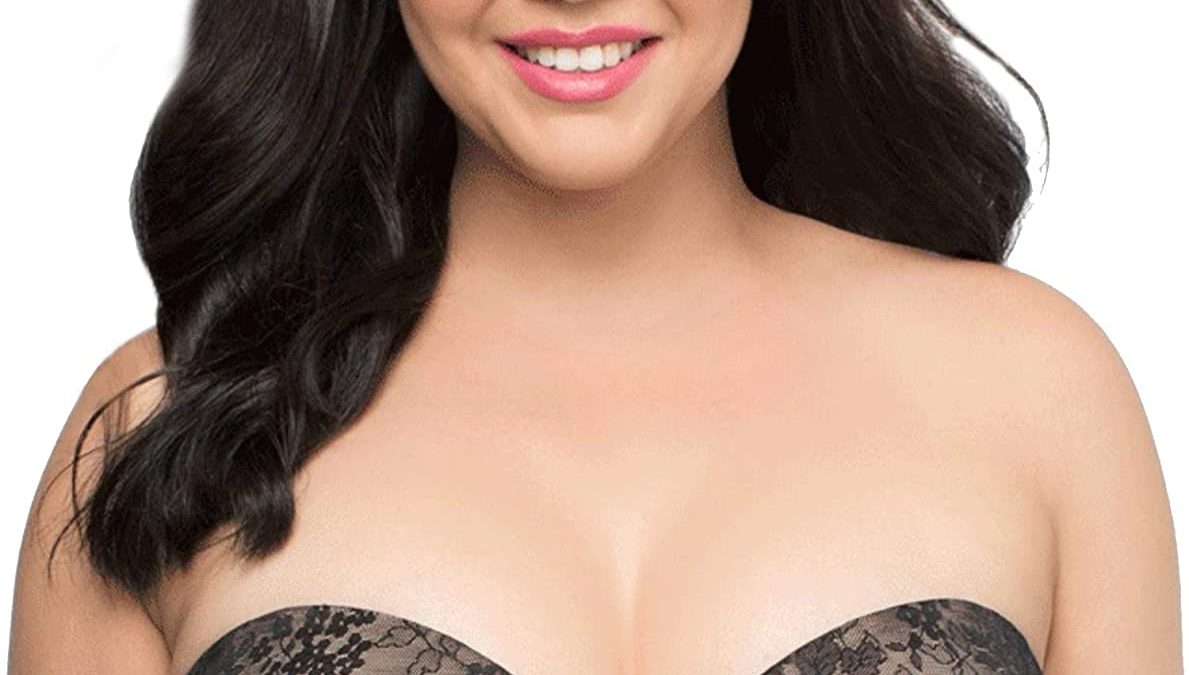
Water Plunge Bras are perfect for outfits with deeper cuts around the chest. When it comes to plunging necklines, women face a lack or no support. The Water Bra can attain high-level support and maximize cleavage. With Plunge Bras, you can wear low-cut clothes without your bra showing. Cups join together lower between your breasts with a thin centerpiece. When trying on Plunge Bras, you should check to make sure that your breasts don’t fall out the front. This can happen if it’s not the proper fit.
Water Demi Bras have a low cut and only cover half of the breasts. Demi describes a style of cup shape. It’s quite low to show cleavage and comes up just over the nipple. Straps are set widely apart. These are perfect for a low-cut, scoop neck, or wide necklines. The Demi Bras are great for everyday wear and give your chest an extra boost.
The advantages and disadvantages of The Water Bra
This bra is just like any other bra on the market, it has advantages and disadvantages. The only way to get a beneficial experience with the Water Bra is to make sure you buy the right size.
Advantages of The Water Bra:
- Typically seamless – this makes them ideal to wear under any outfit
- Pushes up the breasts – aids in enhancing smaller breasts and pushing them up
- Super comfortable – the oil and water in the bra’s padding can potentially adjust and form to the breasts size
- Water Bras are soft compared to padded push-up bras – some of the padding used in push-up bras are hard, making them uncomfortable.
Disadvantages of The Water Bra:
Water bras tend to pop – the only time a Water Bra can pop is if it comes in contact with a sharp object.
Don’t wash your bra in the washer – it might get wrapped up and cause damage
Conclusion
If you find that your padded bra isn’t comfortable or you want to naturally enhance your breasts, try The Water Bra. Water Bras have been around for 20 years. Lots of ladies have found that they are ideal.
A Water Bra is meant to enhance and lift your breasts. They don’t offer much support. Keep in mind, when and where to wear one.
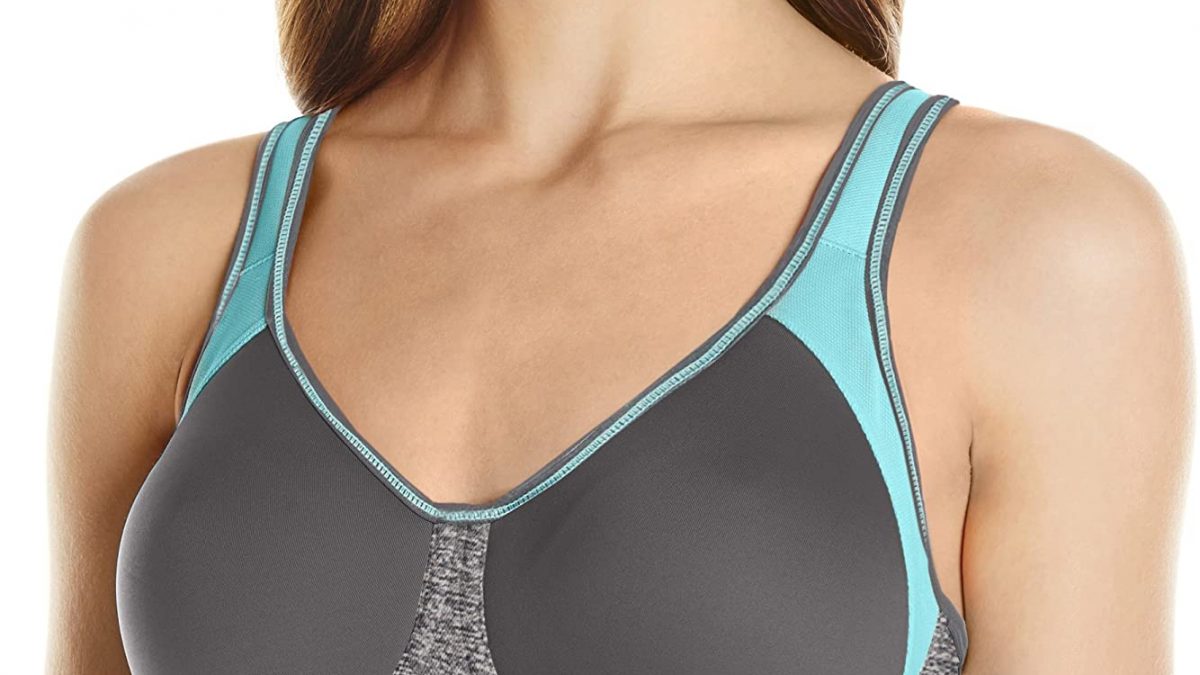
Wearing a Water Bra for a date or dinner is perfect. Wearing one to work just doesn’t make a lot of sense. They are worn to enhance and lift, usually for a specific outfit. Wearing a Water Bra for more than six hours may start to be uncomfortable. These are short time bras. You don’t want to wear a Water Bra to the gym, no support, and possible puncture risks.
A Water Bra is a temptation. If you have small breasts or they’ve started to sag, you should try it. The water inserts are strong and harmless.
Water Bras help your skin breathe. Unlike with push-up bras, tight dresses can be worn with no seam showing.